Getting Lean Before GTA 6
Notes on diet, exercise, and sustainable healthy habits
“Even if it don’t benefit your goals, do some push-ups…” - Kendrick Lamar
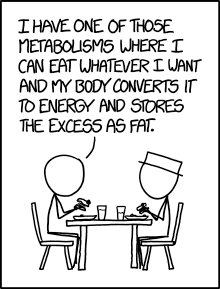
Image Source: XKCD
Introduction
Around the middle of last year, I decided to go on a bulk as a way to gain muscle. This went on for a couple of months, and I gained about 25 pounds. I also made a few mistakes along the way: I stopped running and did very little cardio apart from soccer. I got busy at work and let my regular weight training slide.
By September, I was 230 pounds and feeling less and less like my normal self. I decided the bulk was enough — it was time to cut.
Over the next couple of months, I followed a disciplined cutting plan and learned a lot that could be helpful for anyone in a similar position. The biggest lesson was learning how to build healthy habits that are actually sustainable, rather than riding the ups and downs of gaining and losing weight.
Before I get into strategies and recommendations, I want to be upfront about something: the subject of weight loss and diet can be tricky. I strongly believe everyone can pursue better health regardless of their current size; whether that means losing weight, gaining weight, or maintaining. Wherever you are right now is a valid starting point, not a moral failing. My goal here is to share what worked for me and offer a useful starting point you can adapt to your own goals.
And yes, I’m going to lean into getting lean and building muscle. So consider this a practical guide for anyone like me who wants to get lean (and maybe a little shredded 🤞🏾) before GTA 6 comes out (whenever that is)… and actually keep those gains.
Setting the Stage (or Arranging the Gym)
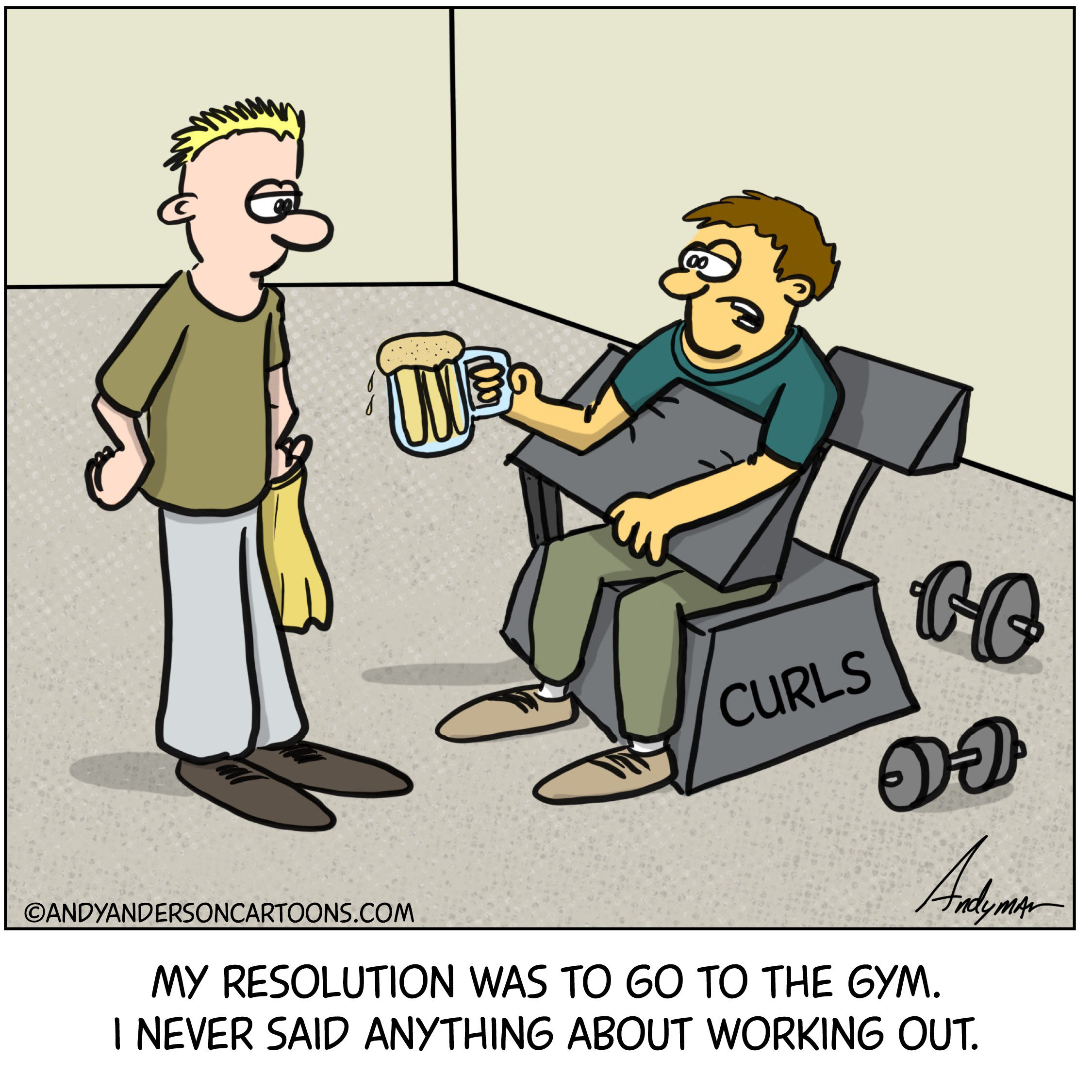
Image Source: Andy Anderson Cartoons
Before we jump into strategies and plans, it’s worth establishing some concrete ideas: what it actually means to be lean, why health and sustainability matter more than extremes, and how to stay mindful of social media influence.
Why Bother Getting Lean or Building Muscle?
The simple answer is: it usually makes people healthier, and often more confident in their bodies (and yes, sometimes more attractive to others). But that’s vague, so here’s what I actually mean.
Health
Most bodies function best in a “middle zone.” That is, not too heavy or too light, but in a range where energy, hormones, mood, sleep, and performance tend to be more stable.
-
On the higher end, carrying a lot of extra body weight can make everyday movement harder, reduce endurance, and increase strain on joints. It can also make it easier to drift into a lifestyle where you move less, recover worse, and become more at risk for health issues (especially related to the heart).
-
On the lower end, getting extremely lean can come with its own problems. When body fat gets too low (especially for long periods), the body can start treating life like a survival situation: energy drops, recovery gets worse, cravings go up, and brain fog can kick in. Hormones can also take a hit, and women may lose their menstrual cycle, while men can see testosterone drop. Plus, people at this level can feel cold, tired, and hungry all the time.
That’s why the goal here isn’t to be “as lean as possible.” It’s to get lean enough to feel good, move well, perform well, and stay healthy.
This also means we don’t need to train like professional athletes. Basic guidelines like regular movement and aiming for ~150 minutes per week of moderate-intensity cardio are a great baseline. And adding strength training on top of that tends to compound the benefits, which takes us to our next section.
Muscle
Muscle matters because it’s the foundation of strength and stability (joints, posture, balance), movement (walking, stairs, lifting groceries, playing sports), and resilience (recovering from injury and staying capable as you get older).
Too little muscle is limiting. Too much muscle, especially when it’s pushed with performance-enhancing drugs, can come with tradeoffs, too. For most of us, the sweet spot is being strong enough to live well and move confidently, without making fitness our entire identity (and without sacrificing the rest of our lives to maintain it).
Attractiveness
Attraction is personal and cultural, and nobody owes anyone a certain look. That said, people often respond positively to signs of health such as energy, confidence, good posture, and the ability to move well. My take is that if you take care of your health, you tend to show up better in life, and that often translates socially, too.
So the goal of getting lean and building muscle, at least for me (and hopefully for others too), is to live longer, feel better day to day, be capable, and enjoy more of life without living at the extremes.
Social Media and TV
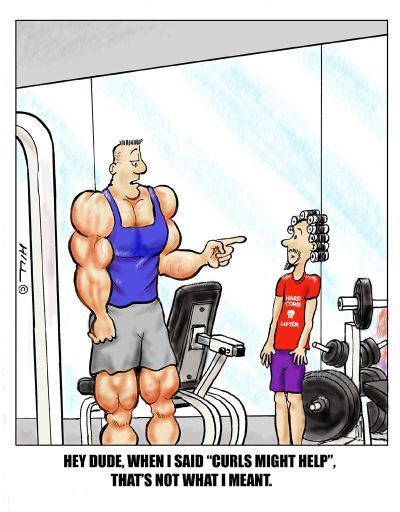
Image Source: exercise myths | Man Bicep
Now that we’ve talked about why someone might want to get lean or build muscle, it’s worth acknowledging the media environment we’re working in.
The modern fitness “baseline” is warped. Movies, Instagram, and YouTube are full of people who look shredded, dry, and jacked year-round—and it quietly trains our brains to think that’s what “normal fit” looks like. But much of what we see is a peak look, not an everyday one, and it often comes with hidden methods and costs.
A few things that routinely get left out of the highlight reel:
-
Curation + selection bias: We are mostly seeing people with great genetics for building muscle, years of experience, insane training regimens, and a strong incentive to look exceptional on camera.
-
Camera tricks: Lighting, angles, a pump, and posing can make someone look dramatically leaner and bigger than they do walking around on a random Tuesday.
-
“Peak Week” Physiques: Some of the physiques that we see that look incredible are achieved temporarily through aggressive dieting, dehydration, and other short-term tactics that don’t feel great to maintain.
-
Editing: Everything from filters to retouching to post-production can make bodies look more “superhero” than human.
This matters because it changes the comparison game. Research consistently finds that exposure to idealized physiques can increase body dissatisfaction and appearance comparison.
Similarly, while not everyone with an impressive physique is using performance-enhancing drugs (some people are dedicated and genetically gifted), enough people are using them (or going to extreme, temporary, photo-shoot preparation) that it is hard to know what you’re looking at. At the same time, PEDs are not harmless; they’re associated with real health risks, including cardiovascular and psychiatric effects. And using these drugs gives people a real boost. One analogy (popularized by Coach Greg Doucette, a polarizing but useful voice in the fitness space) is that training naturally is like building a house with one worker, while using PEDs is like adding several other people to join the job site. The progress can look completely different, and so does the cost.
For a deeper look at how normalized this is, the documentary Bigger, Stronger, Faster is a good cultural snapshot into the fitness space, especially in America, and how blurry the line gets between aspiration and deception.
Some actors who have played superhero roles have openly acknowledged how brutal it can be to prepare for such a role.
-
Zac Efron: has described his Baywatch look as difficult to attain and unsustainable, sharing about the depression/insomnia and the extreme measures involved.
-
Kumail Nanjiani was unusually honest about the resources behind his transformation for Eternals, including a full year, top trainers, elite nutrition support, and basically turning fitness into a job.
-
Chris Hemsworth has also spoken publicly about the intensity of building and maintaining a Thor-level physique (and more recently has emphasized a shift toward recovery and sustainability over extremes).
Another useful lens here is Derek from More Plates More Dates, who spends a lot of time talking about how common PED use is in certain fitness and entertainment circles and why transparency matters. Whether or not you agree with his style, he’s part of a broader pushback against fake-natty marketing and unrealistic expectations.
There’s also an academic side to this. A growing body of research links heavy exposure to idealized fitness content with things like obsessive food/exercise behaviors and muscle dysmorphia (sometimes called “bigorexia”), especially in young men comparing themselves to hyper-muscular bodies online.
And for women, the social-media pressure to be extremely lean can overlap with low energy availability/RED-S (a well-studied syndrome where chronic under-fueling can disrupt hormones, recovery, and overall health).
My point isn’t that we should not watch fitness content. It’s that we should use fitness content for ideas and lessons, and not for identity. If you’re training naturally (and even if you aren’t), it’s helpful to be careful about who you compare yourself to. A body you can maintain while sleeping well, performing optimally, and enjoying your life is a better target than the most flattering look that might require your whole world to revolve around staying shredded.
Can We Finally Start Getting Lean? (Yes)
Nutrition: It Always Starts With Food
Like the XKCD comic above, our metabolisms follow the laws of thermodynamics. When we eat, our bodies pull energy from food. If we eat more than we need, the extra gets stored as fat. If we eat less, the body taps into fat stores, glycogen, and sometimes muscle for energy. So to gain weight, we need to eat more than we burn; to lose weight, we need to eat less.
It is really that simple at the highest level, but let’s break it down some more.
How Weight Loss (and Gain) Actually Works
Each of us burns a baseline amount of energy every day to keep our bodies running: the brain, digestive system, heart, and everything else. This is called your basal metabolic rate (BMR). On top of that, any movement or exercise burns additional energy. The total of these two is your total daily energy expenditure (TDEE).
Hence, the formula is:
TDEE = BMR + Energy from Activity
- Eat consistently below your TDEE → lose weight
- Eat consistently above your TDEE → gain weight
- Eat around your TDEE → maintain
Quick Start (14 days)
- Weigh daily and track a 7-day average
- Pick cut (–300 to –500/day) or lean bulk (+150 to +300/day)
- Hit protein daily + lift 2–4x/week
- Walk 7–10k steps/day
- After 14 days, adjust by 150–250 calories/day based on the trend
We measure this energy in calories. As a rough benchmark, about 3,500 calories equals one pound of body fat. So a daily deficit of 500 calories generally leads to about one pound of weight loss per week. A surplus of the same amount leads to about a pound gained.
Not All Calories Are Created Equal
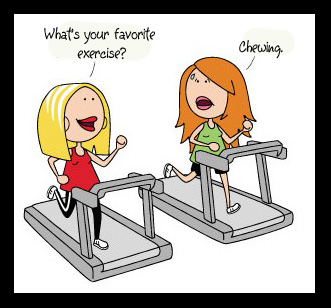
Image Source: Fuel Running
While the math of calories in vs. calories out drives weight change, what you eat matters a lot for how you feel along the way. Our food contains three macronutrients, and each behaves differently.
- Protein is digested slowly and requires more energy to process, which keeps you full longer. It’s also essential for preserving muscle during a cut. This is the one to prioritize.
- Carbohydrates digest quickly and provide near-instant energy. But eating a lot of them (particularly highly refined carbs) at once can spike your energy, followed by a crash (and sometimes hunger or sleepiness).
- Fats are more calorie-dense (9 calories per gram as opposed to 4 for protein and carbs) and tend to make food taste better, but they add up fast.
Fiber is also worth mentioning as high-fiber foods take longer to digest, support gut health, and help keep you full.
This is why calorie density matters so much in practice. Calorie-dense foods like cookies, soft drinks, and cake go down quickly and barely register as filling. Less calorie-dense foods like vegetables, fruits, and lean proteins fill you up with far fewer calories. When you’re trying to lose weight, leaning toward the latter makes the whole process dramatically easier.
Making it Practical
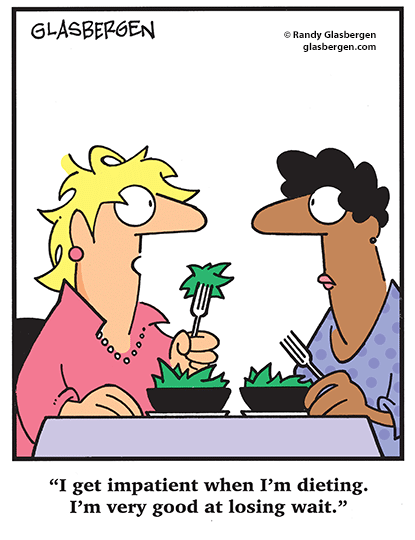
Image Source: Glasbergen Cartoon Services
So here’s the part we can apply repeatedly.
1. Know your numbers (roughly)
- Find your BMR using an online calculator (I like this one from sailrabbit, but there are many others, like this simpler one from MyFitnessPal).
- Estimate your daily activity calories using a fitness watch (Apple Watch, Fitbit, etc.), or you can compute your BMR and TDEE from an online calculator like this one from calculator.net.
These numbers are estimates, but that’s fine; all calorie measurements are. The point is to have a rough idea of your daily calorie burn and a working target.
2. Pick Your Goal and a Realistic Pace
If you’re cutting (losing fat):
- Aim to lose about 0.5-1.0% of your bodyweight per week (slower is generally better because it is more sustainable). For most people, this amounts to a daily deficit of roughly 300-500 calories.
If you’re lean bulking (gaining weight/building muscle without getting fluffy):
- Aim to gain about 0.25-0.5% of your bodyweight per week. A surplus of roughly 150-300 calories per day is a good starting point.
Whatever your goal is, try to avoid extremes. For instance, a 1,000-calorie deficit would lead to faster weight loss (roughly 2 pounds per week), but it would feel miserable and hard to sustain.
3. Use the Scale as a Feedback Loop
- Weigh yourself daily, ideally in the morning under the same conditions.
- Ignore individual days. Your weight can swing 2-3 pounds overnight based on hydration, inflammation, glycogen levels, and what you ate. Look at the 7-day average instead.
-
After every two weeks, adjust based on the trend:
- If you’re not losing on a cut: Reduce food slightly or add more daily exercise (for instance, ~150-250 calories/day or add ~2-3k steps/day).
- Losing too fast or feeling awful: Add some food back (~150-250 calories/day).
- Not gaining on a bulk: Add ~150–250 calories/day (a snack or bigger portions).
4. Hit the Big Rocks
If you do nothing else, focus on these:
-
Protein: Aim for roughly 0.7-1.0g per pound of your goal bodyweight per day. This is especially important while cutting, as protein helps keep you full, supports muscle repair, and helps ensure the weight you lose is mostly fat.
-
Fiber and volume: Fill your plate with fruits, vegetables, beans, and whole grains. These foods physically fill you up without packing a lot of calories.
-
Watch liquid calories: Sugary drinks, juices, and other “easy calories” add up fast and don’t satisfy hunger. This is one of the simplest places to cut.
-
Keep strength training: Lifting while cutting sends your body the signal to hold onto muscle. Without it, you risk losing muscle along with fat.
5. Make Things Sustainable
The best diet is the one you can stick to long-term. The trick is to keep the foods you enjoy while swapping portions or ingredients so they still fit your target.
| Instead of… | I switched to… | Why it works |
|---|---|---|
| Fanta (140 cal/can, and one makes me want another) | Sparkling Ice Orange Mango (5 cal/can) | I can drink several and barely dent my calories |
| Kettle corn (high sugar, calorie-dense) | Orville Redenbacher SmartPop Kettle Corn (100 cal/bag) | Same enjoyable snack, fraction of the calories |
| A whole loaf of banana bread | One slice per day | I get my fix without blowing my target |
| Sunday Sundae: Big ice cream order | A small scoop every couple of weeks | Enough to satisfy the craving |
| Restaurant French Toast order | Homemade high-protein French toast made with protein powder and artificial sweeteners | Lower-calorie French Toast with extra protein |
There are also a ton of low-calorie cookbooks and recipes, as well as ways to prepare regular foods in low-calorie ways (for instance, baking instead of frying chicken). The key is building a rotation of meals you look forward to eating, not ones you tolerate.
6. Plan for the Real World
One big meal with friends won’t derail your goals. When we know a big meal is coming, it is best to plan for it:
- Keep earlier meals lighter and protein-focused.
- Get some extra steps or exercise in.
- Enjoy the meal without guilt.
- Get back to your normal plan the next day.
Some days you’ll eat more, some days less. What matters is the trend over weeks, not perfection on a single day. Similarly, if your energy starts to drop, eat more food. Sometimes, when we are in a deficit, we notice we are having trouble performing or focusing, and we consistently feel drained. In times like this, it is best to eat a bit more until we find the sweet spot where we’re still in a deficit but can function like we normally would.
7. Think in Long Timeframes
Don’t try to lose 25 pounds in three months. That pace is aggressive and could be hard to sustain, especially depending on your current body fat level. A year, for instance, is a better timeframe. That is 2-3 pounds a month, which is steady, manageable, and far more likely to stick. A quick transformation usually doesn’t last if it requires unsustainable habits. However, if you want an initial motivation hit, you can start aggressively and then move into a maintenance pace that doesn’t destroy your life.
Gaining weight, on the other hand, is generally easier since you need to find foods you enjoy and eat slightly more of them.
What I Did (Full Transparency)
I want to be upfront: my approach was more aggressive than what I’d recommend for most people. When I was bulking, I didn’t track anything and just ate however I felt. When I started cutting, I used the app Cronometer and connected it to Apple Health so I could see my total daily calorie burn alongside my intake. And I’ve been logging every single thing I’ve eaten, without exception, over the past 5 months.
That level of tracking worked for me, and I genuinely enjoyed being able to tell exactly what I ate on a random Tuesday in December. But it’s not necessary for everyone, and for some people, that degree of monitoring can become unhealthy or unsustainable. The approach above (rough targets + scale trend + enjoyable foods) will get most people there without logging every bite.
An Example Day (Cut)
Here’s roughly what a typical cutting day looked like for me. It’s an example of what ~1,900–2,100 calories can look like when you prioritize protein and volume (i.e., lots of filling, lower-calorie foods like fruits and vegetables). I also aimed for ~185–220g of protein/day based on my body weight at the time and my goal of minimizing muscle loss during the cut.
| Meal | What I ate | Approx. calories |
|---|---|---|
| Breakfast | Greek yogurt with berries and a scoop of protein powder | ~350 |
| Lunch | Salmon (or tilapia) + a big portion of broccoli + roasted vegetables | ~500–650 |
| Snack | SmartPop Kettle Corn + a Sparkling Ice | ~110 |
| Dinner | Steak (or chicken) + sautéed peppers/onions + broccoli (or mixed veggies) | ~550–750 |
| Evening | One slice of banana bread | ~200 |
The Bottom Line
You don’t need perfect macros or a perfect meal plan. Pick a goal, track the trend, adjust slowly, and build a menu you actually enjoy. The goal is a way of eating you can maintain so that when you get lean, you stay lean.
A few extra notes:
Cheat Days
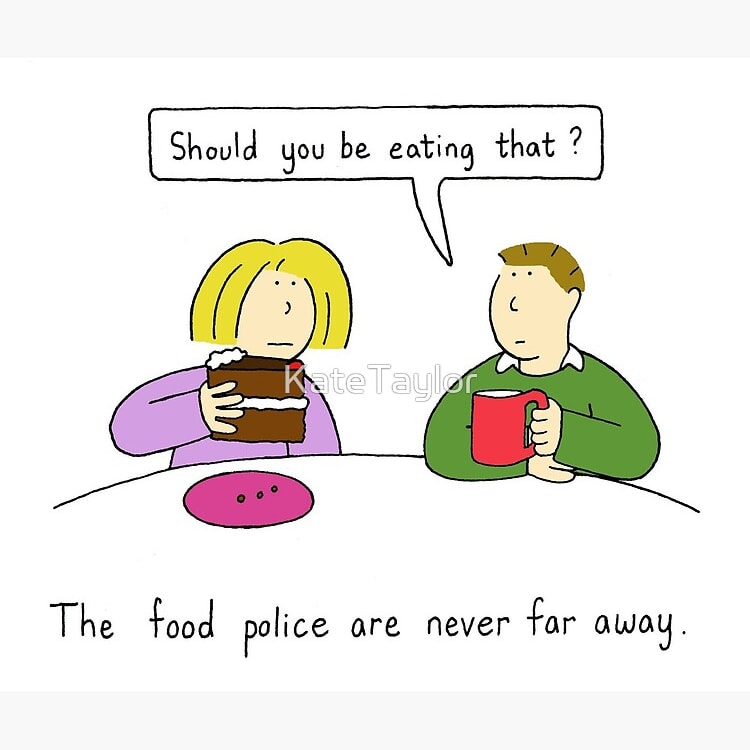
Image Source: Kate Taylor
Cheat days work for some people. For me, they didn’t. When I gave myself a weekly cheat day, I’d go nuclear and eat 6,000–7,000 calories, basically undoing a week of progress (I like food a lot).
What worked better was building a way of eating that works every day, while still leaving room for foods I enjoy. If you like the idea of flexibility, a few alternatives that tend to be easier to manage than a full cheat day are:
- planning treats (for instance, a small dessert every day)
- a single high-calorie cheat meal instead of eating high-calorie foods for an entire day
- an approach where your meals are split 80/20, or 90/10, such that most of them are on the plan, and a few are purely for joy
Weight-loss Medications
I’m not a doctor, but it’s hard to ignore how common weight-loss medications have become. I do think many people can lose (or gain) weight without medication, but I also know that isn’t true for everyone, and there are cases where medical support can make a real difference. It’s also worth noting that these medications work in ways closely related to what we’ve discussed here. They mimic hormones that signal fullness, reducing appetite and leading to less food intake and, correspondingly, weight loss. In other words, it’s still an energy balance, just with pharmacological help on the appetite side.
If you talk with your doctor and they think a medication is appropriate and safe for you, I don’t think there’s anything wrong with using that tool. I’d encourage honesty about it, especially if you’re sharing advice publicly.
In general, I think of these meds the same way I think about other “boosts” in life. Support can help us gain traction. For instance, I got a boost writing this post from other articles, research, videos, and AI tools like ChatGPT and Claude. These boosts didn’t entirely replace the work, but they helped me do it more efficiently.
My only caution is that even with a boost, habits still matter. So, keep protein high, do strength training, and be mindful of potential side effects with your doctor (especially so you don’t lose more muscle than you need during a cut). Some of the more common medications, like GLP-1 agonists, can accelerate muscle loss alongside fat loss, which makes protein intake and strength training even more important if you’re using them.
Exercise: Move in Ways You’ll Actually Keep Doing
Image Source: Red Bubble
Just like nutrition, the best exercise routine is the one you’ll actually stick to. This means we do not need a perfect program (such a program actually doesn’t exist). We also do not need to train like professional athletes, or make training the entirety of our lives. What we need is something sustainable that we can repeat week after week, month after month, ideally for several years.
Diet drives most of fat loss, but training determines what that fat loss looks like. Two people can lose the same amount of weight, but the one who lifts and stays active will likely retain more muscle, have better posture, and feel stronger. If nutrition is the steering wheel, exercise is the engine.
But before I share more, let’s start with a quick start.
Quick Start (14 days)
- Lift 2-4x/week (full body is simplest)
- Do cardio 2x/week (~150 minutes of moderate intensity cardio per week) or hit 7-10k steps/day
- Pick one fun activity that gets you moving that you can do weekly (good examples are soccer, tennis, dancing, pickleball, flag football, etc.)
- Track just two things: workouts completed and steps average
- Don’t miss twice in a row
- 14 days in, adapt and keep going
That’s enough to build momentum; everything else is refining.
Strength Training
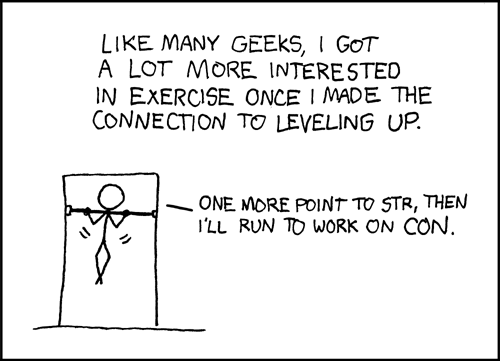
Image Source: XKCD
If you’re trying to get lean and keep muscle (or build it), strength training is probably the single most important type of exercise for that goal. When you’re in a calorie deficit, your body is looking for energy wherever it can find it. Lifting sends a clear signal to your body that your muscles are being used, so it should not burn them for fuel. Without that signal, you risk losing muscle along with fat, and the result is a smaller but softer version of yourself.
The good news is that you don’t need anything complicated. Once you pick a proven program and stick with it, you are well on your way. Here are a few solid options depending on your schedule:
2 days/week:
- Day 1 and 2: Squat or hinge + push movements + pull movements
3 days/week (full body):
- Day A: Squat or leg press + bench press + rows + accessories
- Day B: Deadlift or RDL + overhead press + pull-ups/lat pulldown + accessories
- Day C: Repeat A or B with slight variations
4 days/week (upper/lower split):
- Upper days: push + pull + shoulders + arms
- Lower days: squat or hinge movement + calves + core
These are simple guidelines, but there are various ways to approach strength training, and you can explore several options, gradually fine-tuning into what works best for you. Most of the strength and growth come from doing the basics consistently and getting better over time. A few things to keep in mind:
- Train hard: Showing up is step one, but progress and strength usually come from pushing yourself and working most sets close to failure. This could come in the form of progressive overload (gradually increasing weight, reps, or sets over time), or simply pushing yourself a tiny bit more than you did the previous session (for instance, holding the bar up a little longer than the previous sessions when doing a bench press).
- Form matters: To reduce the risk of injury, it is helpful to learn and maintain proper form while exercising. Ask others to watch your form and give you feedback, or use YouTube tutorials and guides. If the weight is so heavy that you start to lose form, decrease it and nail the form before progressing. This exercise library from Hevy is an excellent resource for finding different exercises and their correct form.
- Track your lifts: In a way most suitable for you, keep a log of your weights and reps. It’s hard to progressively overload if you don’t remember what you did last week. You can use an app like Stronglifts, or Strong, or even just a notes or spreadsheet app on your phone.
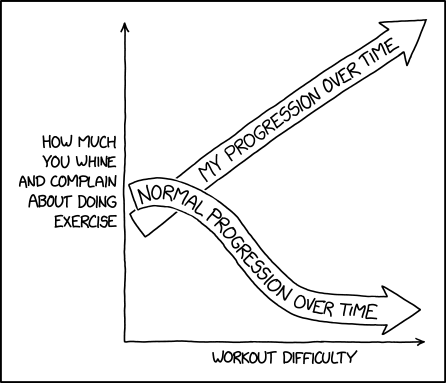
Image Source: XKCD
As a final note on strength training, I’ve talked to some of my friends who are women about lifting, and a common concern I hear is not wanting to get bulky or look masculine from it. I’ve heard this enough times that it’s worth addressing directly. And honestly, the concern is understandable. Gym culture can feel intimidating, and strength training spaces aren’t always as welcoming or comfortable for women as they should be.
The short answer: it’s extremely unlikely to happen. The “bulky” look most people picture typically requires levels of testosterone that women’s bodies don’t naturally produce. Men generally have much higher testosterone, which is a major driver of the muscle size people associate with a masculine physique. For the vast majority of women, strength training builds muscle in ways that make them stronger, leaner, healthier, and more toned; not bulky.
And when you do see extreme muscularity, it’s usually the result of years of highly dedicated training and, in many cases, performance-enhancing drugs—which, as we covered earlier, come with real tradeoffs and aren’t something most people should be using.
Cardio
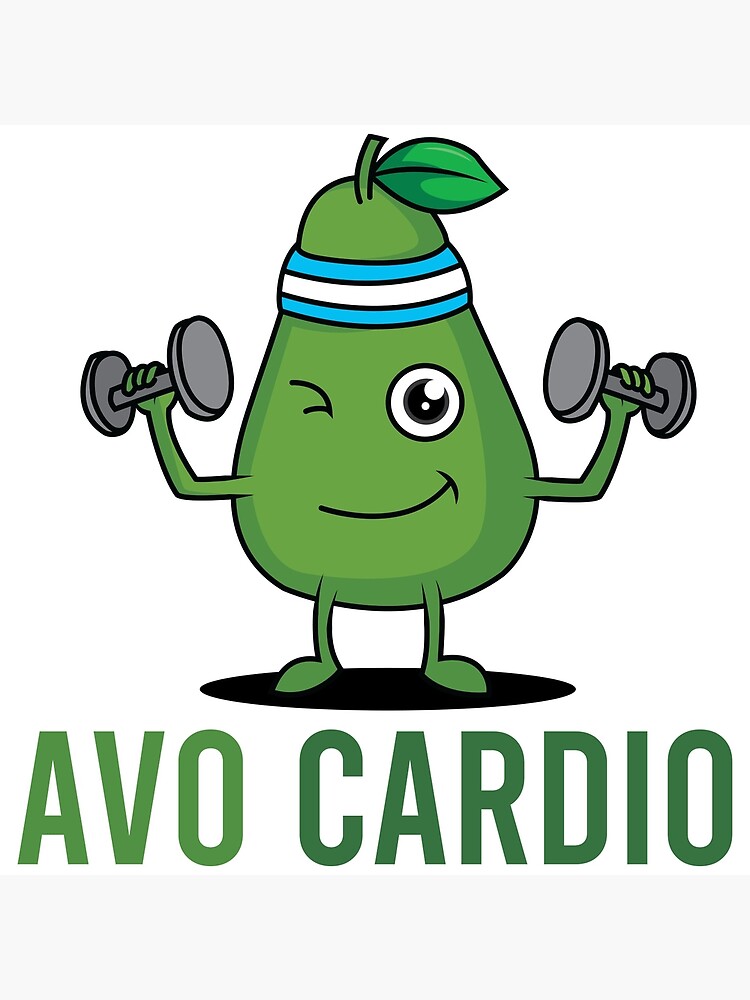
Image Source: Red Bubble
Cardio gets a bad reputation in some lifting circles because people believe it kills your muscular gains. However, cardio is worth doing even if your primary goal is to look better. It improves your heart health and strength (the most important muscle in your body), endurance, mood, recovery, and day-to-day energy.
While strength training is non-negotiable for getting lean and keeping muscle (the focus of this post), I personally think cardio is the most important group of exercises for overall health and longevity. If I could only pick one, I’d choose cardio. I understand not everyone shares that perspective, but regardless of where you fall, having decent conditioning makes everything else in life easier.
A good baseline is the classic guideline of aiming for around 150 minutes per week of moderate-intensity cardio. You do not need to start here, though; you can gradually build up to it. And just like strength training, we get better at cardio by challenging ourselves each session to do a little more or go a little harder than before. Over time, the improvements compound.
We can also think of cardio in two buckets:
Low-intensity/daily movement
- These include walking, taking the stairs, parking farther away, pacing on phone calls, etc. Typically, these do not feel like exercise, but they add up.
- Aiming for 7–10k steps/day (or if you want a challenge, 12–15k steps) is one of the simplest and most effective things you can do.
- Low-intensity cardio burns calories without spiking hunger the way intense cardio can and generally doesn’t require recovery time.
Moderate-to-high intensity
- Running, cycling, swimming, rowing, sports, etc. Your goal in this bucket is to choose whatever you enjoy.
- These build real cardiovascular fitness, and you can steadily challenge yourself and improve.
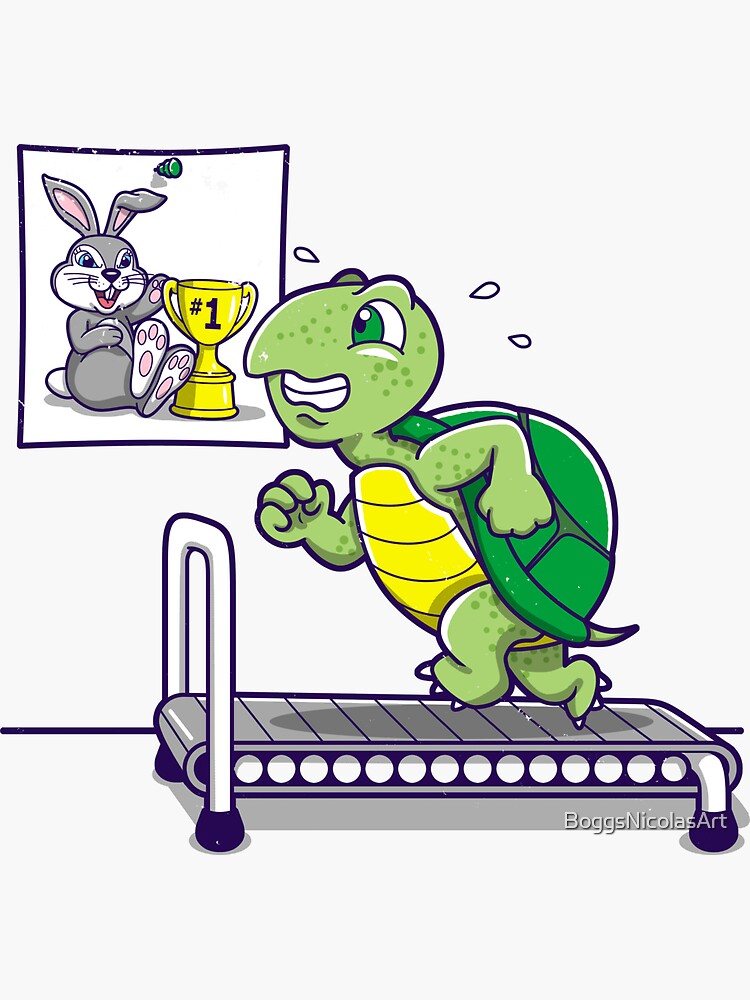
Image Source: Red Bubble
Like we’ve highlighted throughout this post, enjoyment matters more than anything when choosing the type of cardio to do. If you hate running, don’t run. Walk, bike, swim, dance, hike, play basketball, join a rec league, skate. The best cardio is the one you’ll keep doing, especially when motivation wanes.
A practical starting point is:
- 2 sessions/week of 20–40 minutes (plus steps from walking)
- Daily steps + one weekly hard session from a sport you enjoy
One important note: if you’re lifting hard and also doing intense cardio, your recovery might start to suffer. In that situation, reduce your cardio intensity before cutting back on lifting. And as much as you can, keep walking.
Finding What You Actually Enjoy
I know I keep coming back to this, but it’s because it’s genuinely the most important piece of fitness advice I can offer. If you hate your workout, you’ll eventually stop doing it. It doesn’t matter how “optimal” the program is; what matters is your ability to do it consistently. And liking the workout is the first step.
- If you like lifting but hate cardio -> keep cardio simple (walking + a sport)
- If you like cardio but hate the gym -> lift twice a week and keep it short
- If you get bored easily -> rotate activities, but keep the weekly structure
Sports, in particular, are massively underrated as exercise. They generally don’t feel like working out because while doing them, you’re focused on playing, competing, and having fun. For me, soccer has been one of the most consistent forms of cardio in my life because I play with my friends, and I genuinely have fun anytime I’m on the pitch. I’ve also found that activities like dancing (choreography, ballet, partner dancing, etc.), yoga, group classes, and martial arts are great options. Doing these activities with friends, in a class, or on a team helps you stay consistent, as you rely less on personal motivation.
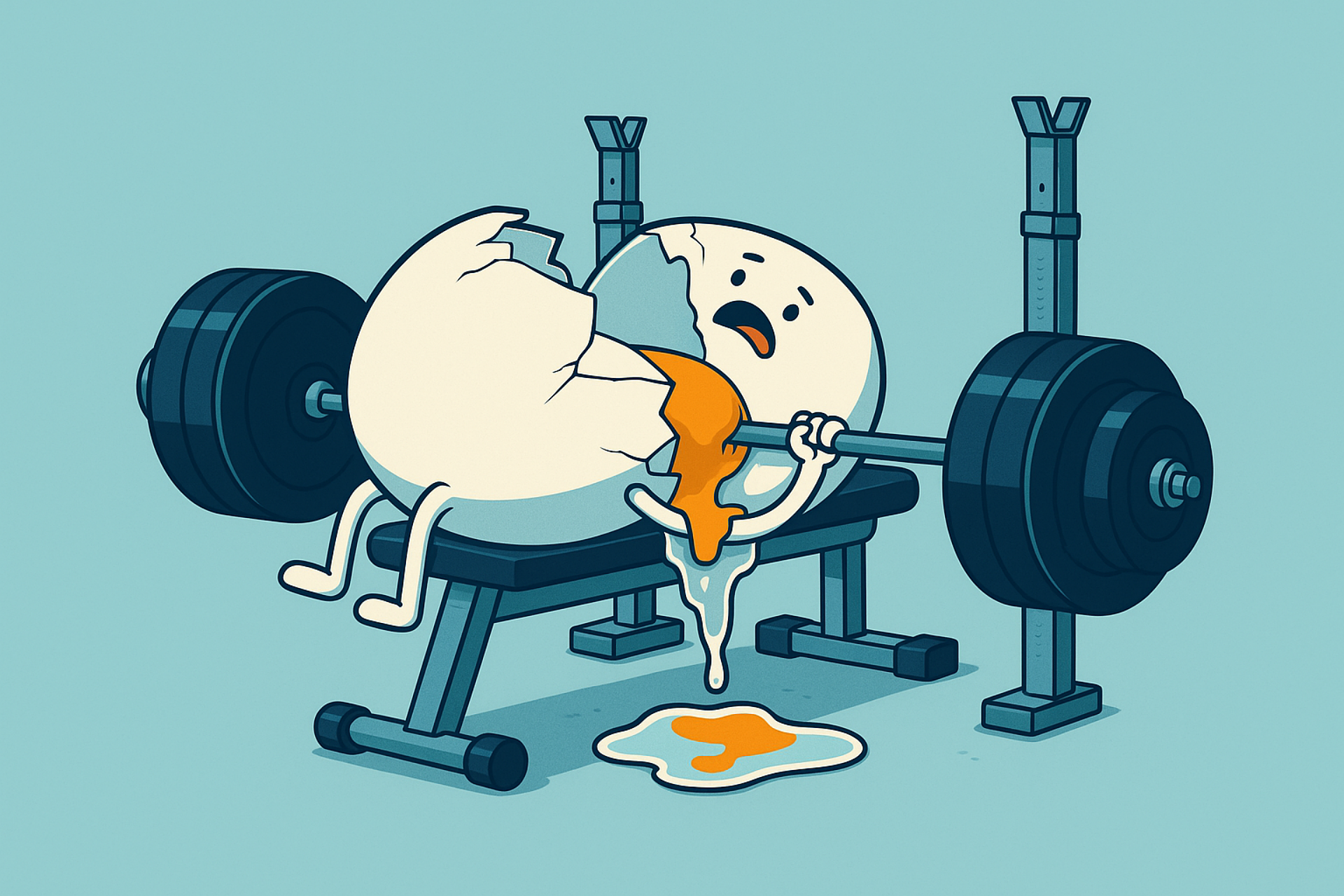
Image Source: Creative Canvas Shop
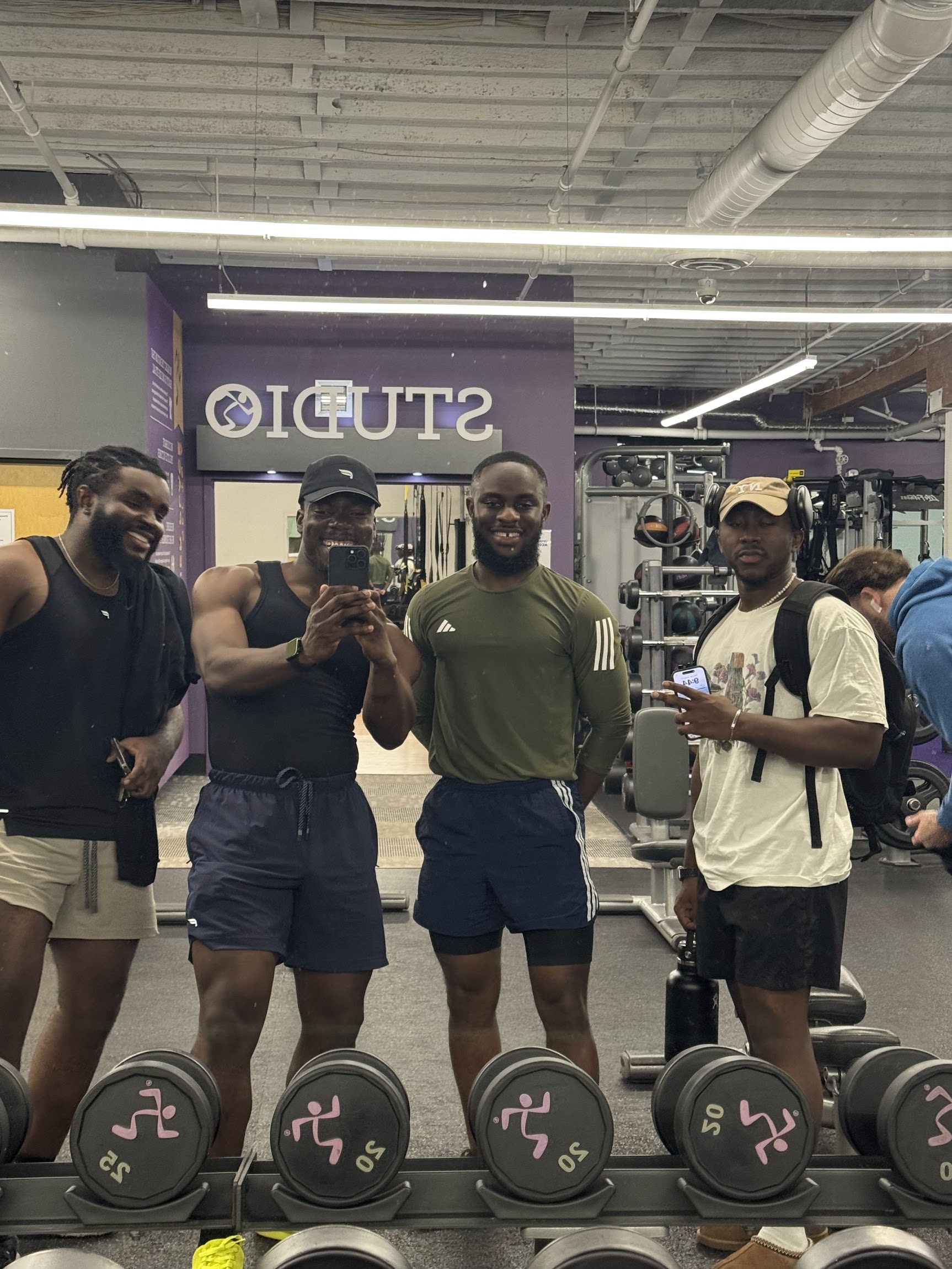
Speaking of the social aspect of training, I recently started going to the gym with my friends instead of going alone, and it has been a tremendous change. The camaraderie has been amazing. For instance, we recently celebrated one of our birthdays at the gym with donuts (cheat meal). We also challenge each other, and we’re all able to work out harder because we have people to provide extra support and spot each other. Below is a recent picture of some of us at the gym:
Here’s also something that might sound counterintuitive: it’s okay to keep your routine boring. Same workouts, same days, same structure, week after week. Boring is sustainable and becomes automatic. You do not need to reinvent your program every month. You only need to keep showing up and pushing a little harder over time.
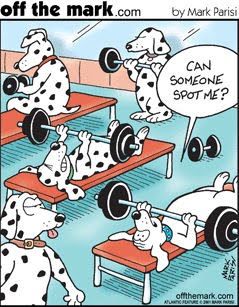
Image Source: Go Comics
A Final Note on Training Hard
Effort matters, and there’s a real difference between showing up and going through the motions versus actually pushing yourself. The people who make noticeable progress are the ones who consistently bring intensity to their sessions.
But training hard doesn’t mean ignoring your body. Recovery is part of the process. And sleep is arguably the most important recovery tool we have, as it’s when our bodies actually repair and build muscle. A few other recovery basics:
- Rest days: Take 1–3 per week depending on your program and how you feel. Active recovery (a walk, light stretching) is great on rest days.
- Deload weeks: Every 4–8 weeks, it is helpful to consider a lighter week where you reduce volume or intensity. This lets your body catch up and often leads to better performance in the following weeks.
- Listen to persistent pain: Soreness is normal, especially when you train hard. Sharp pain that doesn’t go away, however, is a signal to back off and address it before things worsen. If pain persists, see a physical therapist or a doctor—it’s worth it.
Overtraining and injury are big threats to consistency. And consistency, as we’ve established, is the whole point. But what happens if you actually get hurt?
- You can take a break or train around the injury. For instance, if your arms are injured, you can primarily train your legs or find low-intensity training that lets you keep moving. Back in 2024, I hurt my knee and couldn’t train or do cardio for about 12 weeks. During that time, I relied on daily “hurt knee” exercises that I found on YouTube to train my legs and used a pair of dumbbells to continue training my upper body.
- When you eventually come back from an injury (or if you haven’t trained in a while), start really easy and light, and gradually build back up.
A Note on Aesthetics (and Abs)
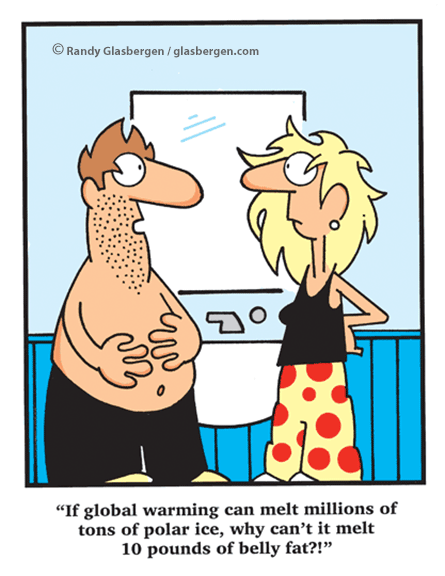
Image Source: Glasbergen Cartoon Services
Let’s be real, a lot of people start training because they want to look better. That’s a perfectly valid reason, and there’s no need to pretend otherwise. But it’s worth understanding how aesthetics actually work, because it’s not quite what most people expect.
The biggest factor in how “defined” or “toned” you look isn’t which exercises you do; it’s your body fat percentage. Everyone has abs, for instance. Whether you can see them is almost entirely a function of how much fat is sitting on top of them. You don’t need to do 500 crunches every day to get a six-pack. You need to get lean enough for them to show, and then have enough core muscle underneath to make them pop.
This is why nutrition and strength training together matter more than any single exercise. You can do ab workouts every day and never see definition if your body fat is too high. Our bodies also do not spot reduce fat, so doing a lot of core workouts would not reduce belly fat (despite what social media tutorials might suggest). And you can do zero direct ab work and have visible abs if you’re lean enough and your core gets trained through compound lifts like squats, deadlifts, and overhead presses.
That said, direct core work still has value — and not just for aesthetics, but for stability, posture, and injury prevention. A few sets of hanging leg raises, cable crunches, or planks a few times a week is more than enough for most people.
The same principle applies to the rest of your body. “Toned arms” or “defined shoulders” are the result of having enough muscle in those areas and being lean enough for that muscle to be visible. The formula is always the same: build the muscle through strength training, reveal it through nutrition.
One more thing worth saying: the level of leanness where abs are clearly visible (roughly 10–14% body fat for men, 18–22% for women) is achievable and maintainable for many people, but it does require consistent attention to diet. The ultra-shredded look you see on magazine covers (sub-8% for men, sub-16% for women) is a different story. That’s the territory we talked about earlier, where health starts to suffer. As always, the goal is a look you can sustain while still sleeping well, performing well, and enjoying your life.
What I Do
I want to note that my training regimen is currently on the intense side, but I’ve built up to this level over several years. If you’re new to training, I recommend starting easy and working your way up. I’ve also been training for a race, so my schedule has more running than normal. But for full transparency, here’s what a typical week looks like for me:
| Day | Cardio | Strength training |
|---|---|---|
| Mon | 5 km walk or 45–60 min cycling | Arms + Shoulders: DB shoulder press; DB lateral raise; DB rear delt fly; DB curl; preacher curl; hammer curl; tricep pushdown; overhead tricep cable; cable lateral raise |
| Tue | Easy run (2–5 miles) + Soccer game | — |
| Wed | 5 km walk or 45–60 min cycling | Chest + Back: Pull-ups; seated row; lat pulldown; DB row; bench press; DB fly; incline DB press |
| Thu | Speed work (intervals/tempo/time trials, 2–5 miles) | Legs: Squats; leg press; Bulgarian split squat; leg curl; leg extension; calf raises; hip thrust |
| Fri | 5 km walk or 45–60 min cycling | Full body + Core: Pull-ups; hanging leg raise; dips; cable crunch; DB Romanian deadlift; farmer’s carry; decline cable chest press; wrist curl |
| Sat | Soccer training | — |
| Sun | Long run | — |
Closing: So What is the Actual Point

So, getting lean before GTA 6. Is that a real deadline? Not really. Rockstar could always push it back from its currently scheduled release date of November 19, 2026. But the deadline was always arbitrary. The habits are what matter, and the goal is always to be as healthy as possible.
What I’ve learned is that none of this requires a dramatic transformation or a perfect plan. It just requires a few simple things done consistently: eating in ways we can sustain, training in ways we enjoy, tracking the trend, adjusting when needed, and giving ourselves long enough timeframes to let it work.
So if you’re reading this and feeling like you want to change something about how you treat your health, or perhaps you are just really interested in hot boy or hot girl summer, my recommendation is to pick one thing. Maybe it’s tracking your weight for two weeks. Maybe it’s hitting a protein target. Maybe it’s going for a walk every day. Start there, build the habit, and add from there.
The goal isn’t a number on the scale or a particular date. It’s learning how to care for ourselves in ways that we can keep doing, even as life happens to us. And hey… if we pull this off, maybe by the time GTA 6 drops we’ll be fit enough to sit on the couch for 100 hours straight and finish it. That’s got to count for something; if nothing else, it’s endurance training.
References and Useful Resources
References and Resources
If you only pick 5 (Starter Pack)
- TDEE estimate: Calculator.net TDEE Calculator
- Food tracking: Cronometer
- Workout tracking: Hevy
- Beginner strength plan: r/Fitness Basic Beginner Routine (Fitness Wiki)
- General guide: The Fitness Wiki
Calculators and Tools
Food and Nutrition Tracking
- Cronometer — detailed food/activity tracking with micronutrient data
- MyFitnessPal — huge food database, great for quick calorie logging
- MacroFactor — adaptive TDEE tracking based on your weight trend (paid)
- Lose It! — simpler alternative with a clean interface
Workout Tracking
- Hevy — popular gym logger with social features + exercise library (free tier)
- Strong — clean, minimal workout tracker for lifting (free tier)
- StrongLifts 5×5 — app built around the StrongLifts beginner program
- Fitbod — AI-generated workouts that adapt to your equipment and recovery
- Strava — tracking for runs, rides, and outdoor cardio
- Nike Training Club — free guided workouts (strength, yoga, HIIT, bodyweight)
Exercise Form and Learning
- Hevy Exercise Library — searchable database with form guides
- Muscle & Strength Exercise Database — video demos organized by muscle group
- ExRx.net — comprehensive exercise encyclopedia
Beginner Strength Programs
- r/Fitness Basic Beginner Routine — simple barbell program to build the habit
- 5/3/1 for Beginners — Jim Wendler’s system adapted for novices
- GZCLP — flexible linear progression program
- r/Fitness Recommended Routines — curated list of programs for all levels
- Nerd Fitness: Strength Training 101 — approachable guide for absolute beginners
Guidelines and Health Authorities
- American Heart Association: Physical Activity Recommendations
- CDC: Adult Activity Guidelines Overview
- WHO: Physical Activity Guidelines
- Physical Activity Guidelines for Americans (PDF)
Evidence-Based Training & Nutrition (Articles / Podcasts)
- Stronger By Science — evidence-based training and nutrition articles
- Stronger By Science Podcast — deep dives on research + practical takeaways
YouTube — Evidence-Based / Educational
- Jeff Nippard — science-backed breakdowns of training/nutrition
- Jeremy Ethier — biomechanics and evidence-based training
- Natacha Océane — HIIT, nutrition science, fitness experiments
- Renaissance Periodization (Dr. Mike Israetel) — hypertrophy + training science
Note: Some channels mix evidence with opinion/marketing. Use them as tools, not gospel.
YouTube — Form / Practical Coaching (often opinionated, still useful)
- ATHLEAN-X (Jeff Cavaliere) — form cues, injury prevention, exercise selection
YouTube — Fitness Commentary and Transparency
- Greg Doucette — blunt fitness advice + industry commentary
- More Plates More Dates (Derek) — PED transparency + fitness/entertainment analysis
- Sean Nalewanyj — no-nonsense lifting + nutrition advice
- Will Tennyson — entertaining food/fitness content with calorie breakdowns
YouTube — Follow-Along Workouts
- Fitness Blender — free full-length workouts (HIIT, strength, low-impact)
- Caroline Girvan — structured strength programs
- Yoga with Adriene — accessible yoga for recovery and stress
- MadFit — short home workouts, often music-driven
Running
- The Run Experience — running form + plans + beginner guidance
- Nick Bare — hybrid training (lifting + endurance), marathon prep, nutrition
Research and Health Resources
- Exposure to idealized physiques and body dissatisfaction (PubMed)
- Anabolic Steroids and Health Risks (NIDA)
- Muscle dysmorphia and social media exposure (PMC)
- RED-S: Relative Energy Deficiency in Sport (PubMed)
- The Fitness Wiki — community-maintained FAQs + routines + nutrition primers
Articles and Interviews (Media / Hollywood Physiques)
- Zac Efron on his Baywatch transformation (Variety)
- Kumail Nanjiani’s Eternals transformation (Vulture)
- Kumail Nanjiani on turning fitness into a full-time job (Business Insider)
- Chris Hemsworth on maintaining a Thor-level physique (Glamour)
- Chris Hemsworth’s shift toward recovery and sustainability (Economic Times)
Documentaries and Media
- Bigger, Stronger, Faster — documentary on PED culture in America
- More Plates More Dates: PED use in fitness and entertainment (YouTube)